Recognizing Corporation Details: Trick Insights and Relevance
In today's global economic climate, recognizing company information is crucial for different stakeholders, consisting of investors, job candidates, competitors, and federal government agencies. A company is a legal entity that is separate and distinctive from its proprietors. Companies can possess building, sustain liabilities, and undergo taxes. They additionally have the capability to participate in agreements, file a claim against and be filed a claim against in their own right. This makes the information pertaining to corporations not just large however dramatically impactful and dynamic. Corporation information generally includes a vast selection of information factors like company administration, economic wellness, critical direction, market position, and conformity condition.
Access to comprehensive and accurate firm info can help with better financial investment choices, enhance affordable techniques, and make certain regulatory compliance. It helps in examining a business's stability, development possibility, and overall health. Financial statements, revenues reports, and public disclosures are main resources of such details. Additionally, corporate social obligation (CSR) campaigns and ecological, social, and governance (ESG) performances are significantly coming to be essential parts of company details, mirroring a business's commitment to ethical and lasting methods. Understanding these aspects can significantly influence shareholder worth and public assumption. For that reason, accessing and assessing correct firm information is important in the contemporary business landscape.
Introduction of Modern Company Functions and structures
In the landscape of contemporary organization, corporations stand as complicated entities characterized by their distinct frameworks and diverse functions. These companies are generally developed as lawful entities different from their owners, enabling them to have home, get in into contracts, and sustain liabilities individually. At the heart of every firm is its business framework, usually defined into 3 vital rates: supervisors, officers, and shareholders. Investors are the owners of the corporation, investing capital and in return, getting shares standing for part ownership. They play a critical function in company governance, mostly via ballot civil liberties that permit them to influence major decisions, including the election of the board of directors. The board, including chosen individuals, holds the obligation of overseeing the company's strategic instructions and making certain that it adheres to legal and moral standards. They appoint officers— such as the Chief Executive Policeman (CEO), Principal Financial Police Officer (CFO), and others— who take care of the day-to-day operations and implement the board's techniques. This ordered framework is supplemented by different departments such as advertising, human resources, and IT, each led by experts that add to the core purposes of the corporation. Comprehending these layers and their communications is vital for grasping just how contemporary companies feature and evolve in an affordable worldwide market.
Trick Parts of Company Structure and Administration
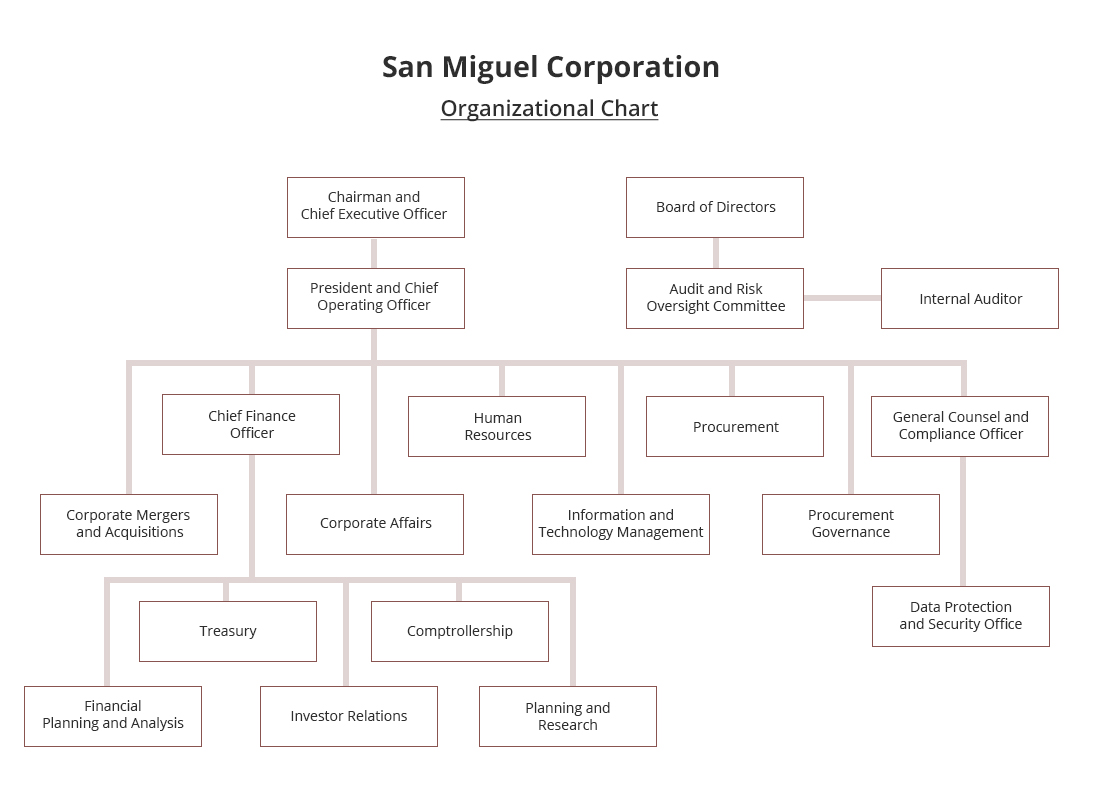
In the realm of business administration, recognizing the framework and functional structures of firms is important. Corporations, by their very nature, are complex entities identified by their durable hierarchical structures, lawful responsibilities, and administration plans that assist their operations across numerous industries. At peoples corporation login canada of every company is its board of supervisors, liable for making critical choices that form the firm's future and guarantee its adherence to legal and moral standards. These people are elected by shareholders and bear the substantial responsibility of looking after the firm's monitoring, strategic instructions, and monetary wellness. Furthermore, the executive administration team, consisting of the CEO, CFO, and other essential policemans, plays an important duty in the everyday operations and application of the board's policies. This team is entrusted with browsing market difficulties, steering company approach, and maintaining operational effectiveness to attain the organization's objectives. The interplay in between the board and monitoring is regulated by interior plans, governing demands, and shareholder assumptions, which with each other develop a vibrant setting that demands constant caution and adjustment. Companies need to also navigate intricate lawful landscapes, which consist of conformity with economic regulations, environmental legislations, and international trade arrangements, all of which require thorough attention to information and aggressive management practices. This complex internet of assumptions and duties makes corporate administration a critical area of focus for any kind of company intending to be successful in the highly competitive and controlled contemporary business setting.
Recognizing Business Framework and Administration
At the heart of any corporation exists its structure and governance systems, which define the devices and plans by which the firm is guided and regulated. A normal business framework contains shareholders, a board of directors, and exec monitoring teams. The investors are the owners of the firm and exercise their power by electing on major issues at shareholder conferences. This team's primary authority includes the political election of the board of supervisors and approval on substantial matters such as mergers, acquisitions, and the firm's overall tactical direction. steps to open a business in california of supervisors, chosen by the shareholders, brings the responsibility of supervising the firm's monitoring, guaranteeing that the company abides by lawful criteria and acts in the most effective rate of interest of the shareholders. The board is essential in offering calculated assistance and making critical decisions that form the future of the company, consisting of the selection and analysis of magnate policemans. The exec administration, led commonly by the Chief Exec Officer (CEO), takes care of the everyday procedures and management of the firm, carrying out the board's policies and decisions. They are critical in preserving the firm's functional integrity, guiding its short-term objectives, and guaranteeing that it remains on a course that aligns with the recognized long-term critical goals. This multilayered structure assists in an equilibrium of power, cultivating a durable framework for operational oversight and calculated planning that is fundamental for any kind of successful firm.
Comprehending Business Frameworks and Administration
The complexities of company frameworks and administration are essential for comprehending how organizations run at a basic level. Companies, set apart by their complexity and dimension, embrace different structural forms to effectively handle procedures and satisfy tactical goals. Typically, a corporation is governed by a board of supervisors who are elected by investors to supervise the broader critical instructions of the company. This board is responsible for making crucial choices that consist of the hiring of magnates, such as the Ceo (CEO), and creating overarching policies. Beneath this top layer of governance, the company structure can be separated right into numerous departments such as Human Resources, Money, Marketing, and Operations, each led by elderly executives that coordinate certain locations of business. Find Out More permits specialized teams to concentrate on unique elements of business, promoting efficiency and professional handling in each domain. In addition, modern corporations are significantly embracing honest administration methods that consist of sustainability and social obligation, recognizing that long-lasting success is closely connected to their reputation and social effect. This development in governance reflects a wider change towards openness and liability, driven by both customer expectations and regulative requirements.